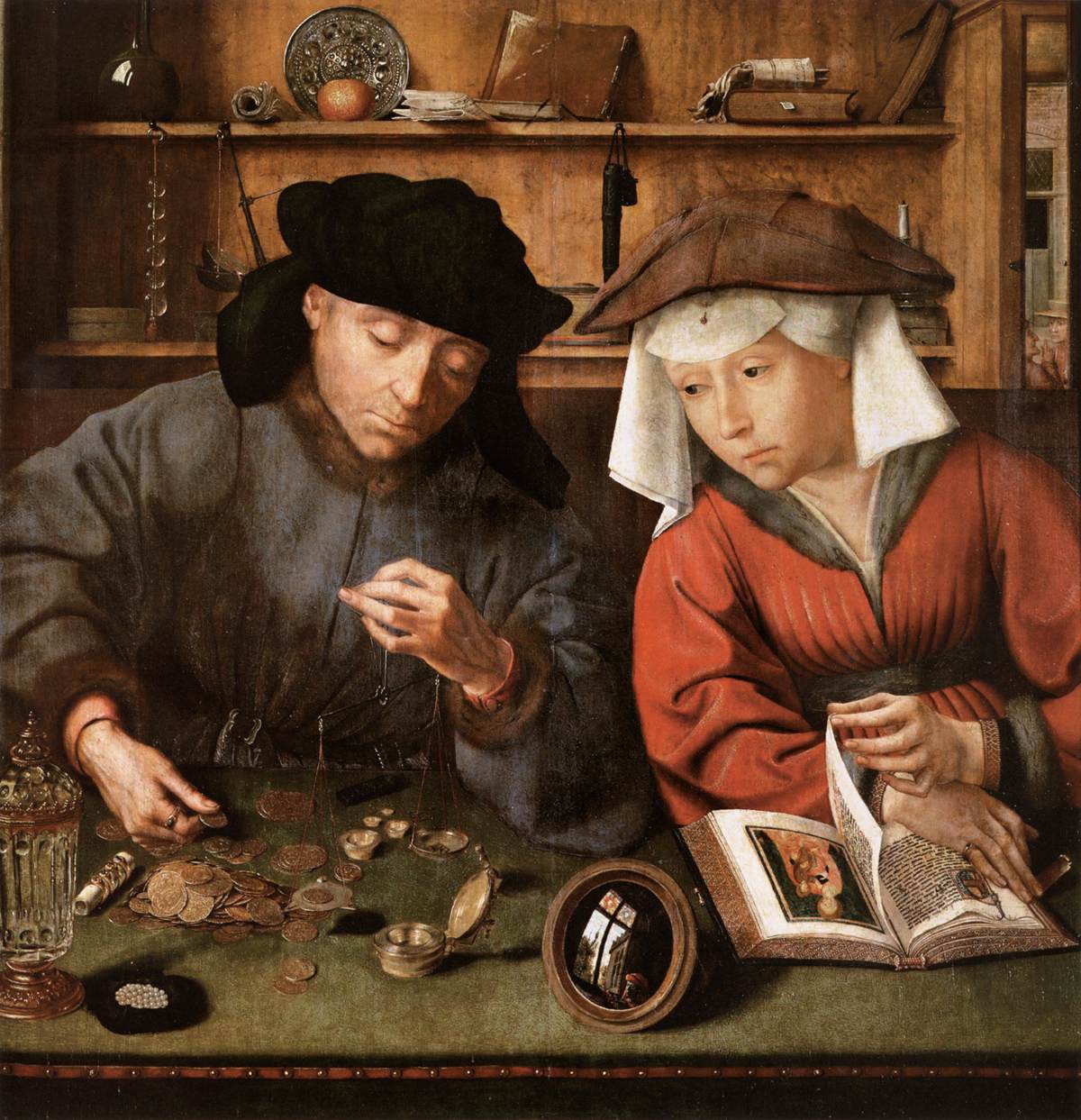
"The moment love becomes accounting, connection begins to disappear." ✨
Most people think scorekeeping is about fairness. It isn't—at least not entirely. Beneath the mental tally of favors, sacrifices, text messages, gifts, and acts of service often lies a much deeper question: Do I matter? Scorekeeping is the tendency to keep an internal record of who has given more, done more, sacrificed more, or cared more in a relationship. While it may appear to be about equality, it is often an attempt to measure worth, security, and emotional significance.
Where the Pattern Begins
No one is born keeping score. Like many relational patterns, it is learned. The roots of scorekeeping often begin in childhood, particularly in environments where love felt conditional, inconsistent, or transactional. Children who receive praise primarily when they achieve, help, perform, or meet expectations can grow up believing that love must be earned. Rather than feeling inherently worthy of care, they learn that their value comes from what they provide. As adults, they may continue giving, helping, and sacrificing while unconsciously searching for proof that they are equally valued in return.
Scorekeeping is also common among those who experienced emotional neglect. When a child's feelings, needs, or experiences are routinely overlooked, they often develop a heightened sensitivity to imbalance. They become hyperaware of whether they are being seen, appreciated, or considered. The mental tally becomes a way of monitoring emotional safety. If someone remembers their birthday, checks in during a difficult time, or returns a favor, it serves as evidence that they matter. If those things do not happen, old wounds can quickly resurface.
Another common source of scorekeeping is parentification. Some children are placed in caregiving roles long before they are emotionally ready. They become responsible for managing a parent's emotions, caring for siblings, or maintaining peace within the family. These children learn that relationships are sustained through responsibility and sacrifice rather than mutual support. As adults, they often become chronic givers. They step in, solve problems, provide support, and carry burdens that do not belong to them. Over time, resentment can develop when others fail to reciprocate at the same level.
For some people, scorekeeping was directly modeled by their parents. Perhaps they heard phrases such as, "After everything I've done for you," or "You owe me for all I've sacrificed." In these families, love was rarely offered freely. Every gift, favor, or act of support carried an invisible price tag. The child learned that relationships were transactional and that kindness could eventually be used as leverage. Years later, they may find themselves repeating the same pattern without realizing where it originated.
The Wound Beneath the Tally
At its core, scorekeeping is often tied to self-worth. People who genuinely believe they are worthy of love do not typically need constant evidence that they matter. Those who struggle with feelings of inadequacy may look to the behavior of others for reassurance. Every returned phone call, thoughtful gesture, or act of reciprocity becomes proof of their value. The problem is that no amount of external validation can permanently heal an internal wound. The score never feels complete because the underlying need remains unmet.
When Giving Becomes Waiting
As scorekeeping continues, resentment often begins to build. Instead of communicating their needs directly, many people silently hope others will notice their sacrifices and respond accordingly. They think, "If they cared, they would know." They continue giving while waiting for recognition that never arrives. Eventually, disappointment hardens into resentment. In many cases, resentment is simply the accumulation of expectations that were never clearly expressed.
When Scorekeeping Becomes Manipulation
While scorekeeping can emerge from emotional wounds, it can also become a form of manipulation. This is where the conversation becomes more complex. Not everyone who keeps score is seeking fairness. Some people keep score because it gives them power. They carefully track favors, sacrifices, and acts of generosity, not because they want connection, but because they intend to collect on those investments later. Their kindness becomes evidence. Their generosity becomes leverage.
This form of scorekeeping is particularly difficult to recognize because the facts themselves are often true. The person may genuinely have helped, supported, or sacrificed. The issue is not whether the events occurred. The issue is what happens afterward. Healthy people give because they choose to give. Manipulative people give because they expect future compliance. The unspoken message becomes, "Because I did this for you, you now owe me."
Many people fail to recognize this dynamic because they become focused on defending themselves against the facts. They think, "Well, they did help me," or "Maybe I am being ungrateful." What they fail to notice is that they are being asked to repay a debt they never knowingly agreed to incur. This is what psychologists sometimes describe as manufactured indebtedness. A favor is freely offered in the moment but later transformed into an obligation. The recipient discovers that what appeared to be generosity was actually an unspoken contract.
Some become scorekeepers themselves because it is the only relationship model they know. Others swing in the opposite direction, becoming fiercely independent because they never want to feel indebted to anyone again.
This pattern is particularly familiar to individuals who grew up with narcissistic or emotionally immature parents. In these households, gifts often came with strings attached. Sacrifices were repeatedly referenced. Gratitude was demanded but never seemed sufficient. Children raised in these environments frequently learn that love is expensive.
One of the clearest signs that scorekeeping has crossed into manipulation is whether you are allowed to say no. In healthy relationships, boundaries can exist without punishment. In manipulative relationships, every boundary is met with a list of past sacrifices. Every disagreement triggers a reminder of everything the other person has done. The conversation is no longer about the present moment. It becomes an attempt to collect on emotional debts from the past.
What Health Actually Looks Like
Healthy relationships are not perfectly balanced every day. Some days one person gives more. Other days the roles reverse. What creates stability is not mathematical equality but trust. Healthy people trust that care, support, and effort will naturally flow back and forth over time. They communicate their needs directly rather than expecting others to read their minds. They set boundaries before resentment accumulates. Most importantly, they give because they genuinely want to give, not because they are secretly keeping a ledger.
The Questions Beneath the Ledger
Healing the need to keep score requires a willingness to look beneath the behavior itself. The real questions are often uncomfortable. Do I believe I have to earn love? Do I struggle to ask for what I need directly? Was I taught that my worth depends on what I provide for others? Did kindness in my family come with strings attached? The answers often reveal that scorekeeping is not truly about the present relationship. It is about an old wound searching for proof that it finally matters.
When we begin to understand scorekeeping through the lens of attachment, self-worth, family systems, and emotional conditioning, we can see that the issue is rarely about fairness alone. Sometimes it is a wounded child seeking reassurance. Sometimes it is a learned pattern inherited from previous generations. Sometimes it is a tool of manipulation disguised as generosity.
In every case, the path toward healthier relationships begins by recognizing the hidden ledger and asking whether love is being freely given—or quietly converted into debt.